
An A1C test provides an estimate of your average blood sugar over the past three months. A1C is used to screen for prediabetes and type 2 diabetes and to monitor blood sugar management in people who already have diabetes. Unlike a glucose test that captures one moment, A1C does not measure only what you ate yesterday or your blood sugar at the time of the blood draw, but provides a longer-term view.
For Albuquerque patients reviewing an A1C result, the number can raise important questions: Is this in the expected range? Does it mean I have diabetes? Do I need another test?
What Does the Test Measure?
The A1C test measures the percentage of hemoglobin with glucose attached to it. Hemoglobin is the protein in red blood cells that carries oxygen throughout your body. As glucose circulates in your blood, some of it attaches to hemoglobin. Higher average blood sugar generally means a higher A1C.
What Do the Results Mean?
For people being evaluated for prediabetes or type 2 diabetes, doctors commonly use the following ranges:
- Below 5.7%: Normal
- 5.7% to 6.4%: Prediabetes range. This means average blood sugar is higher than normal but below the threshold used to diagnose diabetes. Prediabetes increases the risk of developing type 2 diabetes. Within this range, higher A1C levels generally indicate greater risk.
- 6.5% or higher: Diabetes range. An A1C of 6.5% or higher falls within the diabetes diagnostic range. However, a single result does not always establish the diagnosis. In someone without clear symptoms or unequivocally high blood sugar, doctors generally confirm the finding with another A1C.
Prediabetes does not mean that diabetes is inevitable. It creates an opportunity to discuss changes that may help prevent or delay type 2 diabetes, including physical activity, nutrition, and weight management when appropriate.
These ranges are diagnostic categories, not universal treatment goals for people who already have diabetes.
How Is It Used for Prediabetes and Diabetes?
A1C serves two related but different purposes: identifying a possible blood sugar problem and monitoring an established condition.
Screening and Diagnosis
A1C is ordered to screen for prediabetes or type 2 diabetes, even when a patient feels well.
Monitoring Over Time
For someone who already has diabetes, repeated A1C testing helps assess how well the current care plan is managing blood sugar. Results can help guide conversations about nutrition, physical activity, medications, and treatment adjustments.
An A1C below 7% is a common goal for many adults with diabetes, but it is not the right target for everyone. Goals should account for age, overall health, diabetes history, risk of low blood sugar, and other individual circumstances.
How Is It Different From Daily Blood Sugar Monitoring?
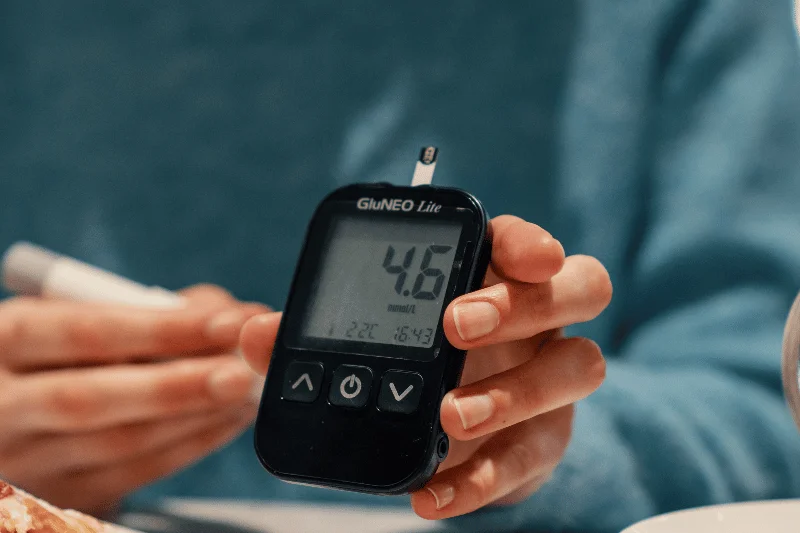
A finger-stick glucose reading measures blood sugar at a particular moment. A continuous glucose monitor tracks changes throughout the day and night. A1C provides a longer-term estimate rather than showing those individual readings.
A1C does not show exactly when blood sugar rises after meals or whether someone is experiencing episodes of low blood sugar. Two people with similar A1C results may have different day-to-day patterns.
For patients who need home blood sugar monitoring, A1C complements those readings rather than replacing them.
Do You Need to Fast Before the Test?
You generally do not need to fast for an A1C test. Eating before the test does not affect it in the same way it affects a fasting glucose measurement.
Can Anything Make the Result Less Reliable?
Yes. Because A1C depends on hemoglobin and red blood cells, conditions that affect either can change the result independently of blood sugar.
Examples include:
- Certain types of anemia, including iron-deficiency anemia
- Recent significant blood loss or a blood transfusion
- Some inherited hemoglobin variants
- Kidney failure and certain treatments that affect red blood cell production
Pregnancy can also affect how A1C is interpreted. A1C is not the standard test used to diagnose gestational diabetes during pregnancy.
How Often Should It Be Checked?
For people with diabetes, a general recommendation is to check A1C every three to four months. How often it is checked depends on age, previous A1C results, changes in health conditions, and other individual factors. Screening and follow-up schedules for people without diabetes depend on their results and individual risk factors.
Because A1C reflects several months of blood sugar exposure, it is most useful for assessing longer-term patterns, not judging the effects of a single meal or a few days of lifestyle changes.
What Should You Know About Your Results?
An A1C result is useful information, but it is not the complete picture of your health. Its meaning depends on whether you are being screened, confirming a diagnosis, or monitoring diabetes, and whether anything could make the measurement less reliable.
Reviewing the result alongside your health history, symptoms, and previous measurements can help clarify what it means and whether any next steps are needed.
At FourC Health, our primary care includes support for preventive care, prediabetes, diabetes, and other chronic health conditions.
If you have questions about your A1C levels or blood sugar, schedule a visit with FourC Health to review your results and discuss whether any follow-up is needed.